
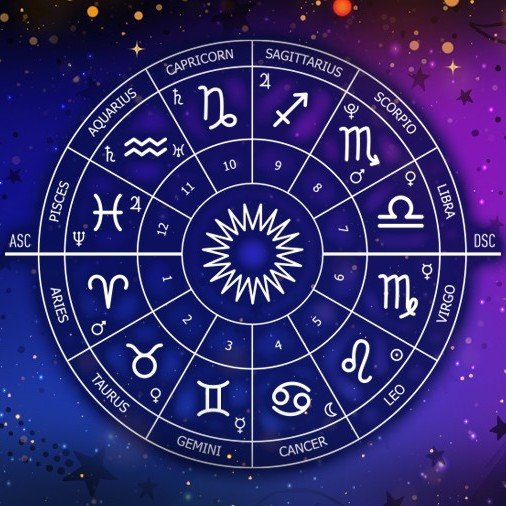
 Astrological houses form the framework through which a person’s entire birth chart comes alive, dividing the sky into twelve distinct
realms that describe every area of human experience, from identity and relationships to career, creativity, spirituality, and the unconscious.
While the zodiac signs express how energy moves and the planets show what forces are active, the houses reveal where these energies play out
in daily life. Each house governs a specific domain, shaping the context in which planetary influences manifest.
Astrological houses form the framework through which a person’s entire birth chart comes alive, dividing the sky into twelve distinct
realms that describe every area of human experience, from identity and relationships to career, creativity, spirituality, and the unconscious.
While the zodiac signs express how energy moves and the planets show what forces are active, the houses reveal where these energies play out
in daily life. Each house governs a specific domain, shaping the context in which planetary influences manifest.
Consider the houses as metaphorical stages onto which the planets step and perform, with the zodiac signs colouring the tone and style of the performance. The First House, for example, may show how you present yourself to the world, while the Seventh reveals the dynamics of close partnerships; the Tenth describes your public reputation, while the Fourth uncovers your emotional roots etc. The houses rotate with the Earth’s 24-hour cycle, meaning their placement in a chart depends entirely on the exact time and location of birth; this is one of the reasons why two people born on the same day can have profoundly different life trajectories.
As planets move through these houses over time, they activate different life themes, marking periods of growth, challenge, introspection, or opportunity. Together, the houses form a symbolic map of the human journey, showing how inner and outer experiences intertwine. Understanding how the houses work allows you to interpret astrology not as a set of abstract symbols, but as a living system that reflects the rhythm, complexity, and unfolding story of your life.
The First House is the foundation of the entire birth chart and represents the emergence of the self into the world, your identity, personality, physical appearance, instinctive behavior, and the way you engage with life moment by moment. Ruled naturally by Aries and governed by Mars, the First House carries the fiery spark of initiation: it is where action begins, where the world meets you for the first time, and where you assert your individuality. This house describes not only how others perceive you but also how you perceive your own presence; your confidence, your vitality, your immediate reactions, and the energy you radiate without trying.
In many ways, the First House acts like the “mask” one wears, but it is not superficial; it reveals the qualities that surface naturally before deeper layers of the personality unfold. Its element is Fire, symbolizing courage, vitality, and forward motion, all of which are essential for beginning any new cycle or chapter. The First House also governs the physical body and its constitution, reflecting how one instinctively moves through life and handles personal challenges. When planets occupy this house, they color your entire approach to existence e.g., Venus may bring charm and diplomacy, Saturn may add seriousness and responsibility, Uranus may spark unpredictability and originality.
This house also influences self-image and identity evolution across time; as transiting planets move through it, they initiate new cycles of personal development, shifting how you define yourself both internally and externally. Ultimately, the First House is the birthplace of expression, autonomy, and individuality. It reminds you that everything in the chart filters first through your sense of self, and that understanding who you are—at your core, without context—is essential to how you navigate the rest of your life.
The Second House governs everything related to value, including money, possessions, resources, self-worth, skills, and the sense of security that arises from having something solid to stand on. Naturally ruled by Taurus and governed by Venus, this house blends earthbound practicality with the appreciation of comfort, stability, and material wellbeing. Its elemental connection is Earth, emphasizing the tangible, the physical, and the real: what you can hold, earn, build, and sustain. The Second House is not simply about wealth; rather, it reveals your relationship with resources such as how you earn money, how you handle it, and what you believe you deserve.
It also governs personal assets that go beyond finances: talents, abilities, and inner strengths that form the foundation of your confidence. Planets here shape how you engage with material life: Jupiter expands financial potential or increases generosity; Saturn encourages discipline, frugality, or slower but more stable growth; Mercury sharpens financial thinking; Neptune may blur boundaries or inspire idealism around money; Pluto deepens your drive for control or transformation in financial matters. This house also reveals what you truly value, not just in terms of objects, but in terms of life priorities: what you consider important, meaningful, and worth investing your energy in.
It is closely connected to self-esteem, because how you value your abilities influences your relationship with material security. Transits through this house often trigger shifts in income, spending habits, or the way one defines their worth. The Second House teaches that value is both external and internal, that financial stability is intertwined with emotional stability, and that abundance grows when one recognizes their own worth. Ultimately, it reflects the foundational connection between resources, self-respect, and the confidence to claim your place in the material world.
The Third House governs the realms of communication, thinking, early learning, and the everyday interactions that shape the flow of life. Naturally ruled by Gemini and governed by Mercury, this house resonates with the Air element, emphasizing curiosity, information exchange, movement, and mental agility. It covers how you speak, write, listen, observe, and interpret the world around you, as well as how you relate to siblings, neighbors, peers, and those within your immediate environment.
The Third House reflects not just intelligence but style of thinking, whether direct, analytical, intuitive, scattered, playful, or deeply reflective. Planets here influence how easily you communicate and how you connect ideas: Mercury strengthens verbal clarity, Venus lends charm, Mars sharpens debate, Saturn adds seriousness or caution, Uranus brings originality and unpredictability, Neptune introduces imagination or ambiguity, Pluto deepens perception or intensifies mental focus. Beyond speech, the Third House rules short journeys, daily tasks, routines, and the flow of information, representing the rhythm of life at its most accessible level.
It also governs early education and the ways one learns best e.g., through logic, repetition, experience, experimentation, or intuition. Transits to this house can bring bursts of communication, new opportunities to learn, shifts in one’s thinking style, or important interactions that influence perspective. Because it is an interpersonal house, it also reflects how you negotiate everyday social spaces: cooperation, discussion, conflict resolution, curiosity, and connection. Ultimately, the Third House teaches that perception shapes reality, and that the words you choose, both internally and externally, shape relationships, opportunities, and self-understanding. It encourages intellectual engagement, open dialogue, and the continuous exchange of ideas that keep life dynamic and meaningful.
The Fourth House represents the deepest emotional terrain of the chart: home, roots, ancestry, family history, and the private inner world that others seldom see. Naturally ruled by Cancer and governed by the Moon, this house is connected to the Water element, symbolizing memory, intuition, nurturing, and emotional grounding. It governs the physical home, where you live, how you live, and what you seek in a sanctuary, but more importantly, it describes the psychological foundation formed in childhood.
Themes of safety, belonging, emotional nourishment, and the patterns inherited from family are all held here. Planets placed in the Fourth House often shape one’s relationship with parents or caregivers, especially the one associated with emotional security. The Moon here amplifies sensitivity and attachment; Saturn may create a sense of responsibility or distance; Jupiter expands the household or introduces cultural or philosophical themes into family life; Uranus makes one’s upbringing unconventional; Neptune induces idealism or confusion; Pluto deepens emotional intensity and transformative family experiences.
This house also governs endings, the later years of life, and one’s internalized sense of where they “come from”, both practically and spiritually. It is the opposite of the Tenth House, representing the contrast between private life and public identity. Transits through the Fourth House often bring major changes in living situations, family dynamics, emotional healing, or reconnection with one’s roots. At its core, the Fourth House teaches that emotional security is a foundation for everything else in life, that understanding where you began allows you to understand where you are going. It reminds you that home is not only a physical place, but an inner sanctuary built from memory, comfort, and self-understanding.
The Fifth House is the vibrant, joyful center of the chart, representing creativity, romance, pleasure, play, self-expression, and the pursuit of joy for its own sake. Naturally ruled by Leo and governed by the Sun, this house radiates the Fire element, energy, passion, inspiration, and the desire to shine. The Fifth House covers artistic expression, creative projects, entertainment, flirting, dating, sexuality, hobbies, and anything that brings out one’s inner spark. It also governs children, both literal children and metaphorical creations, ideas, projects, passions, that require nurturing and imagination.
Planets in the Fifth House influence how one expresses their individuality: Venus brings charm and sensuality; Mars brings passion and competitive energy; Mercury brings wit and intellectual playfulness; Saturn introduces seriousness or discipline in creative work; Jupiter expands creativity and romance; Uranus brings unpredictability and originality; Neptune inspires artistic sensitivity; Pluto intensifies desire and transformative creative experiences. This house also reflects one’s love language and approach to pleasure, whether spontaneous, dramatic, reserved, analytical, imaginative, or deeply emotional.
Because it is associated with the heart, the Fifth House speaks to courage: the courage to be seen, to take risks, to play, to love, and to create something from nothing. It teaches that joy is not frivolous but essential. Transits activating this house often bring romantic opportunities, creative awakenings, or renewed passion in areas of life that had grown routine. Ultimately, the Fifth House reminds you that life is not only about responsibility—it is about expression, delight, and the warmth of living fully. It celebrates authenticity and invites you to share the spark that makes you unique.
The Sixth House governs the practical rhythms of life such as work, service, routines, habits, health, wellness, and the systems that keep everything functioning smoothly. Naturally ruled by Virgo and governed by Mercury, this house corresponds to the Earth element, emphasizing practicality, discipline, refinement, and structure. The Sixth House reveals how you approach responsibilities: whether with order, efficiency, enthusiasm, anxiety, dedication, or resistance. It governs employment, coworkers, daily obligations, skill development, and the pursuit of competence.
It also rules physical health, diet, exercise, and the relationship between the mind, body, and daily habits. Planets in this house influence how you manage life’s details e.g., Saturn adds discipline but can increase pressure, Jupiter expands work opportunities or encourages learning, Mars brings productivity and drive, Venus improves workplace harmony, Uranus brings frequent shifts in routine, Neptune introduces confusion or idealism, and Pluto intensifies the desire for control or transformation.
The Sixth House reflects not only what you do every day but how you maintain yourself, i.e., how you take care of your body, honor your limits, develop skills, and create a lifestyle that supports stability and well-being. It is also the house of service, emphasizing acts of contribution and the ability to help others through competence and reliability. Transits through this house often bring changes in work conditions, health awareness, or the need to reorganize one’s life. Ultimately, the Sixth House teaches that mastery and balance emerge from consistency, self-care, and a willingness to refine one’s methods. It reminds you that daily habits shape long-term outcomes, and that small adjustments can transform your life.
The Seventh House governs all forms of one-to-one partnerships whether they be omantic relationships, marriages, business agreements, contracts, alliances, and even open adversaries etc. Naturally ruled by Libra and governed by Venus, this house aligns with the Air element, emphasizing balance, harmony, negotiation, and the dynamics between self and other. The Seventh House is where you explore commitment, cooperation, and the merging of energies to create something mutually beneficial. It reflects what you seek in a partner, how you behave in close relationships, and what qualities complement or challenge your own.
Planets in this house influence your relational style: Venus enhances harmony and affection, Mars brings passion or conflict, Saturn introduces structure or karmic lessons, Jupiter expands partnership opportunities, Uranus brings unpredictability, Neptune inspires idealism or spiritual connection, and Pluto intensifies desire and transformation. Whilst the First House represents the self, the Seventh House represents the mirror; the qualities in others that help you understand yourself. This house governs equality, fairness, legal agreements, and the ability to compromise or collaborate.
Transits here often bring major developments in relationships, new partnerships, breakups, deeper commitments, or revelations about interpersonal patterns. The Seventh House teaches that relationships are not merely emotional bonds but growth mechanisms; through others, we evolve. It emphasizes the importance of balance, honesty, mutual respect, and the courage to maintain individuality within connection. Ultimately, the Seventh House helps define how you unite with others, how you negotiate shared life's terrain, and how you build relationships that support growth rather than diminish it.
The Eighth House is one of the chart’s most powerful and mysterious areas, governing transformation, intimacy, shared resources, psychological depth, and the cycles of death and rebirth, either literal or symbolic. Naturally ruled by Scorpio and governed by Mars (traditional) and Pluto (modern), this house aligns with the Water element, emphasizing emotional intensity, merging, vulnerability, and profound metamorphosis.
The Eighth House rules shared finances, investments, inheritances, debts, taxes, and all forms of resource exchange. But its deeper significance lies in the merging of energies, physical, emotional, and spiritual, through intimacy and trust. This house governs the psychological underworld: fears, shadows, traumas, obsessions, secrets, and the processes through which they are confronted and healed. Planets here intensify inner life; Venus deepens emotional bonds, Mars heightens passion or conflict, Jupiter expands transformational opportunities, Saturn creates emotional barriers or karmic lessons, Uranus brings sudden change, Neptune spiritualizes intimacy or introduces confusion, and Pluto demands total honesty and transformation.
The Eighth House is where endings pave the way for new beginnings and where personal evolution occurs through letting go. Transits can trigger major shifts e.g., inheritance, the redistribution of resources, the beginning or ending of deep relationships, or psychological breakthroughs. Spiritually, the Eighth House teaches that power comes from self-awareness and that transformation is not destruction but liberation. It reminds you that merging with others, whether financially or emotionally, requires courage, trust, and the willingness to be seen fully. Ultimately, the Eighth House governs the profound processes that reshape your identity from the inside out.
The Ninth House governs the quest for meaning be it spirituality, higher education, philosophy, religion, long-distance travel, cultural exploration, and the search for truth beyond immediate experience. Naturally ruled by Sagittarius and governed by Jupiter, this house aligns with the Fire element, symbolizing inspiration, expansion, adventure, and the willingness to explore the unknown. It reflects how you form beliefs, how you pursue wisdom, and what guides your moral or philosophical compass.
The Ninth House expands the mind through exposure to different cultures, ideas, teachings, and ways of living. Planets in this house influence how you learn and what you seek to understand: Jupiter amplifies curiosity and optimism, Mercury sharpens intellectual exploration, Venus brings appreciation for cultural beauty, Mars drives passionate pursuit of knowledge, Saturn introduces structured learning or challenges to belief systems, Uranus brings sudden awakening or radical perspectives, Neptune spiritualizes the search, and Pluto deepens transformative insight.
This house also governs publishing, law, ethics, and global consciousness e.g., anything that broadens perspective and connects personal experience to universal principles. Transits here often bring opportunities for study, travel, spiritual growth, or major ideological shifts. The Ninth House invites a lifelong journey of discovery, urging you to question, explore, and refine your worldview. Ultimately, it teaches that wisdom is not static, it grows through experience, curiosity, and the willingness to step beyond the familiar to seek deeper understanding.
The Tenth House stands at the top of the chart and governs career, reputation, public life, ambition, achievement, and the legacy you build through your actions. Naturally ruled by Capricorn and governed by Saturn, this house resonates with the Earth element, symbolizing structure, responsibility, discipline, and long-term accomplishment.
The Tenth House reveals your relationship with authority, including your own and others, and how you navigate society’s expectations. It reflects the professional path you choose, the goals you set, and the way you are seen by the world. Planets in this house influence how you accomplish and lead: Saturn brings seriousness and endurance, Jupiter expands opportunity, Mars drives ambition, Venus adds diplomacy or artistic talent, Mercury sharpens strategy and communication, Uranus disrupts norms and brings innovation, Neptune inspires vision or idealism, and Pluto intensifies power dynamics or transformation.
This house also relates to parental influence, especially the parent associated with structure and expectations, shaping how you strive for success. Transits through the Tenth House often bring career milestones such as promotions, new roles, major achievements, or shifts in public identity. More than just work, the Tenth House governs legacy: what you leave behind, how your contributions shape the world, and how you express your authority with integrity. Ultimately, the Tenth House teaches that achievement is meaningful when rooted in purpose, and that true success is built through discipline, perseverance, and a clear sense of direction.
The Eleventh House governs community, friendship, social groups, alliances, collective goals, activism, innovation, and long-term aspirations. Naturally ruled by Aquarius and governed by Saturn (traditional) and Uranus (modern), this house aligns with the Air element, symbolizing intellectual connection, shared ideals, and the networks that help shape the future. It represents the bridge between personal identity and collective impact e.g., how you engage with groups, how you contribute to society, and how you pursue dreams that extend beyond individual desire.
Planets here influence your social dynamics: Venus fosters supportive friendships, Mars energizes group efforts, Jupiter expands networks, Saturn creates responsibility or restrictions, Uranus brings originality and disruption, Neptune inspires compassion and idealism, and Pluto deepens collective transformation. The Eleventh House also governs hopes and visions for the future—your long-term goals and the ideals that motivate you to reach beyond your current circumstances. Transits often bring new friendships, community involvement, collaborative opportunities, or clear shifts in personal direction. Spiritually, the Eleventh House teaches that individuality and community are not opposites but complementary forces, and that working with others can amplify personal purpose. Ultimately, this house encourages innovation, cooperation, and the courage to dream boldly whilst contributing meaningfully to the world.
The Twelfth House is the most mystical and introspective part of the chart, governing the subconscious mind, spirituality, dreams, intuition, solitude, hidden emotions, healing, and the dissolution of boundaries. Naturally ruled by Pisces and governed by Neptune, this house aligns with the Water element, symbolizing depth, sensitivity, transcendence, and the unseen realms of experience. It represents what lies beneath conscious awareness such as fears, hopes, memories, karmic residues, and the soul-level processes that influence your emotional and spiritual development.
The Twelfth House governs retreat, withdrawal, meditation, and the places where ego dissolves, allowing deeper truths to emerge. Planets here often work behind the scenes: Neptune enhances intuition and imagination, Saturn brings lessons around isolation or discipline, Jupiter expands spiritual understanding, Mars stirs internal conflict, Venus softens emotional healing, Uranus awakens sudden insight, and Pluto transforms the subconscious through profound emotional breakthroughs.
This house also relates to self-sabotage, hidden strengths, and the need for release; letting go of patterns, attachments, or burdens that no longer serve you. Transits through the Twelfth House often bring spiritual awakening, emotional cleansing, increased sensitivity, or the need for rest and introspection. It governs compassion, empathy, and the ability to connect with others on a deep, nonverbal level. Ultimately, the Twelfth House teaches surrender—not as defeat, but as liberation. It reminds you that healing comes from understanding the self at its deepest level, and that letting go creates the space necessary for renewal, clarity, and spiritual peace.

The Boston Horoscope is the work of Dr. Elliot Voss, an internationally renowned astrologer/astrologist who has been studying the heavens for over forty years.
© Copyright 2025, All Rights Reserved, Elliot Voss | terms & privacy