Vedic Astrology
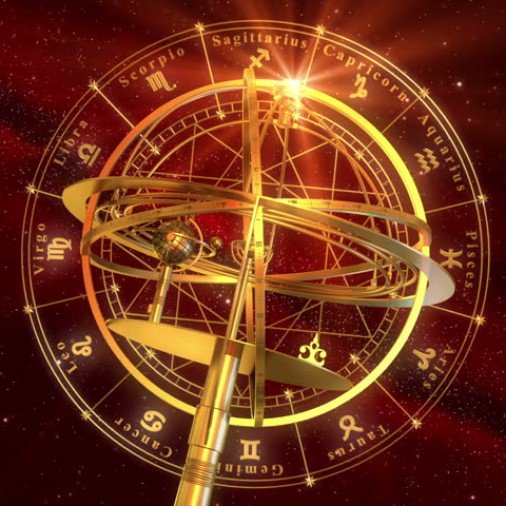 Vedic astrology, also known as Jyotish, is one of the world’s oldest continuous astrological systems, originating in ancient India more than 2,000 years ago. The word Jyotish translates as
“the science of light,” reflecting its purpose: to illuminate patterns of destiny, time, and consciousness through the movements of the heavens. While Vedic astrology shares a common root
with Western or traditional astrology, the two systems evolved along different philosophical, mathematical, and spiritual paths.
Vedic astrology, also known as Jyotish, is one of the world’s oldest continuous astrological systems, originating in ancient India more than 2,000 years ago. The word Jyotish translates as
“the science of light,” reflecting its purpose: to illuminate patterns of destiny, time, and consciousness through the movements of the heavens. While Vedic astrology shares a common root
with Western or traditional astrology, the two systems evolved along different philosophical, mathematical, and spiritual paths.
What Vedic astrology has in common with traditional Western astrology is its core symbolic framework. Both systems use the Sun, Moon, visible planets, zodiac signs, and astrological
houses to interpret personality, life themes, and timing. Each recognizes that planetary cycles correlate with human experience and that birth charts provide a symbolic map of
individual potential. Concepts such as planetary rulerships, benefic and malefic influences, and angular strength appear in both traditions, reflecting their shared Hellenistic ancestry.
However, the most significant difference lies in how the zodiac itself is calculated. Vedic astrology uses the sidereal zodiac, which aligns zodiac signs with the actual constellations
in the sky. Western astrology uses the tropical zodiac, which is tied to the seasons and the equinoxes. Because of a phenomenon known as the precession of the equinoxes, the two zodiacs
are currently offset by about 23–24 degrees. This means that someone who is an Aries in Western astrology may be a Pisces in Vedic astrology, leading to notably different chart interpretations.
Another key distinction is the central role of the Moon in Vedic astrology. While Western astrology often prioritizes the Sun sign, Jyotish places strong emphasis on the Moon sign
(Chandra Rashi) and the lunar constellations known as Nakshatras. There are 27 Nakshatras, each with its own symbolism, mythology, and psychological tone, allowing for extremely
precise and nuanced readings that go beyond Sun-sign astrology.
Vedic astrology is also deeply predictive and time-focused. It uses sophisticated planetary period systems called Dashas, most notably the Vimshottari Dasha, to identify when
specific life themes are likely to unfold. Traditional Western astrology uses transits and progressions, but Vedic timing techniques tend to be more structured and fate-oriented,
reflecting its roots in karma and reincarnation.
Philosophically, Vedic astrology differs in its spiritual orientation. Jyotish is closely linked to Hindu cosmology and views astrology as a tool for understanding karma and spiritual
growth rather than personality alone. Remedies such as mantras, gemstones, rituals, and charitable actions are often prescribed to harmonize planetary influences, something far less
emphasized in Western traditions.
In essence, Vedic astrology and traditional Western astrology are two lenses viewing the same sky. One is seasonally symbolic and psychologically expressive; the other is constellation-based,
karmic, and time-driven. Together, they offer complementary insights into fate, free will, and the rhythms of human life, making Vedic astrology a powerful system for those seeking depth,
precision, and spiritual context in astrological practice.
Vedic Astrology Glossary
Houses (Bhavas)
- Bhava
- Sanskrit term for "house" in astrology. The chart is divided into 12 houses, each representing different areas of life.
- Lagna (First House / Ascendant)
- The rising sign or first house, representing the self, physical body, personality, and overall life direction. This is the most important house in Vedic astrology as it shows how the soul incarnates into form.
- Dhana Bhava (Second House)
- The house of wealth, family, speech, values, and self-worth. Governs material possessions, eating and drinking habits, and how one speaks.
- Sahaja Bhava (Third House)
- The house of courage, communication, siblings, short journeys, and immediate environment. Represents mental patterns and self-expression.
- Fourth House
- The house of home, mother, emotional security, property, vehicles, and ancestral roots. Represents the foundation of one's life and inner emotional world.
- Putra Bhava (Fifth House)
- The house of children, creativity, intelligence, romance, and past life credit (purva punya). Represents creative expression and speculative ventures.
- Shatru Bhava (Sixth House)
- The house of enemies, disease, daily work, service, debts, and obstacles. Also called the house of upachaya (growth), as overcoming these challenges brings growth.
- Seventh House
- The house of marriage, partnerships, business relationships, and how one relates to others on an equal basis. Represents committed relationships of all kinds.
- Eighth House
- The house of transformation, death and rebirth, inheritance, occult knowledge, shared resources, and sudden events. Governs mysteries and deep psychological matters.
- Ninth House / Dharma House
- The house of higher learning, philosophy, spirituality, religion, long-distance travel, teachers, and one's life purpose (dharma). Represents wisdom and grace.
- Tenth House
- The house of career, reputation, public standing, authority, and worldly achievements. Shows one's contribution to society and professional karma.
- Labha Bhava (Eleventh House)
- The house of gains, income from profession, friendships, hopes, wishes, and community involvement. Represents fulfillment of desires through social networks.
- Vyaya Bhava (Twelfth House)
- The house of loss, liberation (moksha), foreign lands, spirituality, isolation, expenses, and the unconscious mind. The gateway to spiritual freedom through release and surrender.
Planetary Terms
- Karaka
- Sanskrit for "significator." Each planet is the natural significator of certain life areas. For example, Venus is the karaka of wealth and relationships.
- Chandra
- The Moon in Vedic astrology. Governs the mind, emotions, mother, and nurturing. Associated with emotional wellbeing and mental peace.
- Surya
- The Sun in Vedic astrology. Represents the soul, vitality, father, authority, and life force. The source of light and consciousness.
- Budh
- Mercury in Vedic astrology. Governs communication, intelligence, business, and analytical thinking. Associated with speech and learning.
- Shani
- Saturn in Vedic astrology. Represents discipline, karma, delays, hard work, and life lessons. The great teacher who brings maturity through challenges.
- Guru / Jupiter
- Jupiter in Vedic astrology. Represents wisdom, expansion, higher learning, children, and grace. The planet of blessings and spiritual growth.
Nakshatras
- Nakshatra
- Lunar mansions or star constellations used in Vedic astrology. There are 27 (or 28) nakshatras that divide the zodiac into smaller sections. Each nakshatra has specific qualities and ruling deities. Planetary placement in nakshatras reveals deeper karmic patterns and influences.
- Nakshatra Placements
- The specific nakshatra where a planet is located in one's birth chart. This placement reveals subtle karmic influences and past life patterns that affect current life circumstances.
Karmic Concepts
- Karma
- The law of cause and effect spanning multiple lifetimes. Actions in past lives create circumstances in current life, and current actions create future circumstances. In Vedic astrology, the birth chart is viewed as a karmic map showing patterns to be resolved.
- Purva Punya
- Merit or credit from past lives. Positive karma accumulated through good deeds in previous incarnations that manifests as blessings in current life. Associated with the fifth house.
- Dharma
- One's life purpose, duty, or righteous path. The soul's specific mission in this incarnation. Living in alignment with dharma brings fulfillment and spiritual progress.
- Moksha
- Liberation from the cycle of birth and death. The ultimate spiritual goal in Hindu philosophy. Associated with the twelfth house and spiritual practices leading to enlightenment.
- Karmic Debts
- Unresolved issues or obligations from past lives that must be addressed in current life. These manifest as challenges, difficult relationships, or recurring patterns requiring healing.
- Karmic Blocks
- Obstacles or patterns from past lives that prevent progress in current life. These can manifest as repeated difficulties in specific life areas until the underlying karma is resolved.
Transits and Aspects
- Stellium
- A concentration of three or more planets in the same zodiac sign or house. Creates intense focus on the areas governed by that sign or house.
- Conjunction
- When two or more planets occupy the same zodiac degree or are very close together. Their energies combine and influence each other, for better or worse depending on the planets involved.
- Sextile
- A harmonious 60-degree aspect between planets. Indicates ease, opportunity, and supportive energy between the planetary influences.
- Trine
- A harmonious 120-degree aspect between planets. Considered very beneficial, indicating natural flow, blessings, and ease in related life areas.
- Quincunx
- A 150-degree aspect requiring adjustment between planetary energies. Creates tension that demands adaptation and integration of different life areas.
- Transit
- The current movement of planets through the zodiac and how they interact with one's birth chart. Transits trigger timing of karmic events and life changes.
Spiritual Practices and Remedies
- Mantra
- Sacred sound or phrase repeated as spiritual practice. Specific mantras are associated with each planet and deity, used to harmonize planetary energies and create positive karma.
- Gayatri Mantra
- One of the most sacred Vedic mantras, dedicated to the Sun. Used for purification, enlightenment, and strengthening solar energy in one's chart.
- Hanuman Chalisa
- A devotional hymn dedicated to Lord Hanuman, the monkey deity who embodies devotion, strength, and service. Used to strengthen Mars energy and overcome obstacles.
- Mahamrityunjaya Mantra
- The great death-conquering mantra dedicated to Lord Shiva. Used for protection, healing, and navigating transformations associated with the eighth house.
- Pranayama
- Yogic breathing exercises that regulate life force (prana) and calm the nervous system. Different techniques address different planetary influences and health concerns.
- Sheetali / Bhramari Pranayama
- Specific breathing techniques. Sheetali (cooling breath) balances excess fire/Mars energy. Bhramari (humming bee breath) calms mental agitation and anxiety.
- Surya Namaskar
- Sun salutations—a series of yoga postures performed as moving meditation to honor the Sun and strengthen solar energy. Beneficial for overall health and vitality.
- Homam / Homa
- Vedic fire ceremony performed to honor specific deities and planets. Creates positive karma and helps balance planetary influences through sacred ritual.
- Prasad
- Sacred food or ash that has been blessed during rituals. Considered to carry divine blessings and is consumed or applied to the forehead (third eye area).
- Shraddha
- Ancestral rituals performed to honor deceased family members. Helps clear ancestral karma and brings peace to the family lineage.
- Muhurta
- Auspicious timing for important activities determined through Vedic astrology. Used to select favorable moments for beginning ventures, wearing gemstones, or performing ceremonies.
Deities and Divine Beings
- Lord Shiva
- The transformer and destroyer aspect of the divine. Associated with asceticism, meditation, and yogic practices. Governs transformations and spiritual liberation.
- Goddess Parvati
- Consort of Shiva, representing the divine feminine, devotion, and material manifestation. Together with Shiva, represents the sacred union of masculine and feminine energies.
- Lord Vishnu / Narayana
- The preserver aspect of the divine. Associated with dharma, righteousness, and maintaining cosmic order.
- Goddess Lakshmi
- Consort of Vishnu, goddess of wealth, prosperity, abundance, and fortune. Worship of Lakshmi attracts material and spiritual blessings.
- Lord Ganesha
- The elephant-headed deity, remover of obstacles and lord of beginnings. Associated with Mercury, intelligence, and success in endeavors. Invoked before starting any important activity.
- Goddess Saraswati
- Goddess of learning, wisdom, arts, and eloquent speech. Associated with Mercury and the pursuit of knowledge. Patron of students, artists, and scholars.
- Lord Hanuman
- The monkey deity epitomizing devotion, strength, courage, and selfless service. Associated with Mars energy and protection. Chanting Hanuman Chalisa removes obstacles and fears.
- Santana Gopala
- Form of Lord Krishna as a divine child. Worshipped for blessings related to children, fertility, and family happiness.
Gemstones and Remedial Measures
- Red Coral
- Gemstone associated with Mars. Worn to strengthen Mars energy, increase courage, overcome enemies, and balance aggression. Must be worn after proper astrological consultation and muhurta timing.
- Pearl
- Gemstone associated with the Moon. Worn to strengthen emotional wellbeing, calm the mind, improve relationships with mother, and balance water element in the body.
- Gemology
- The Vedic science of using gemstones to balance planetary influences. Each planet is associated with specific gemstones that can strengthen beneficial planets or mitigate challenging ones.
- Proper Muhurta Timing
- The correct astrological timing for wearing gemstones, starting ventures, or performing important activities. Ensures that actions are aligned with favorable cosmic energies.
Astrological Systems and Techniques
- Vedic Astrology / Jyotish
- The ancient astrological system originating from the Vedas (sacred Hindu texts). Also called Jyotish, meaning "science of light." Differs from Western astrology in calculation methods and philosophical foundation.
- Karmic Astrology
- Branch of Vedic astrology focusing on past life influences, karmic patterns, and soul evolution across lifetimes. Identifies karmic debts and credits in the birth chart.
- Medical Astrology
- Application of Vedic astrology to health matters. Each house, sign, and planet governs specific body parts and health conditions. Used to diagnose root causes of illness and suggest remedies.
- Electional Astrology
- Branch of astrology used to select auspicious timing (muhurta) for important events like marriages, business launches, or travel.
- KP (Krishnamurti Paddhati)
- A modern system of Vedic astrology developed by K.S. Krishnamurti, offering precise timing predictions and event analysis.
- Numerology
- The study of numbers and their mystical significance, often integrated with Vedic astrology. Birth dates and names carry numerical vibrations that influence life patterns.
Other Important Terms
- Upachaya Houses
- Houses of growth: 3rd, 6th, 10th, and 11th. Planets placed here improve over time through effort and overcome initial difficulties to produce good results.
- Mandala
- In spiritual practice, a 48-day period considered one complete cycle for establishing new habits or practices. Represents the total of 12 signs + 9 planets + 27 nakshatras.
- Vaak
- The power of speech. In Vedic philosophy, speech is creative—words literally create reality through vibration and intention. Proper use of speech is essential for positive karma.
- Amavasya
- New Moon day in the lunar calendar. Considered auspicious for ancestral worship, spiritual practices, and inner reflection. A time when the veil between worlds is thin.
- Divine Guidance / Visions
- Intuitive insights or visions received during prayer or meditation. Some astrologers report receiving such guidance to supplement traditional chart analysis.
- Shadow Work
- Psychological and spiritual practice of examining unconscious patterns, hidden motivations, and repressed aspects of self. Essential for resolving karmic patterns and achieving wholeness.
Days and Their Significance
- Friday / Shukravar
- Day ruled by Venus (Shukra). Favorable for matters of love, beauty, arts, luxury, and worship of the divine feminine. White and pink are auspicious colors for this day.
- Saturday / Shanivar
- Day ruled by Saturn (Shani). Appropriate for serving the poor, practicing discipline, and addressing karmic debts. Black and blue are associated colors.
- Monday / Somvar
- Day ruled by the Moon (Chandra/Soma). Favorable for worship of Lord Shiva, emotional healing, and nurturing activities. White is the auspicious color.
- Thursday / Guruvar
- Day ruled by Jupiter (Guru). Auspicious for spiritual practices, learning, worship, and seeking blessings. Yellow is the favorable color.
- Wednesday / Budhvar
- Day ruled by Mercury (Budh). Favorable for business, communication, learning, and worship of Lord Ganesha. Green is the associated color.