
 There is a particular quality of light in the last weeks of August that is unlike anything else the year produces. It arrives without announcement, you notice it first in the late afternoon, the way the
sun has shifted its angle, the shadows longer than they were a month ago, the quality of gold in the hour before sunset richer and somehow more deliberate than the broad bright gold of July. The light of late
summer is doing something that the light of high summer does not do, it is finishing. The year is completing a thought it began at the solstice, and in the completing, the light has acquired a depth and a warmth
that the full brightness of midsummer, paradoxically, lacked.
There is a particular quality of light in the last weeks of August that is unlike anything else the year produces. It arrives without announcement, you notice it first in the late afternoon, the way the
sun has shifted its angle, the shadows longer than they were a month ago, the quality of gold in the hour before sunset richer and somehow more deliberate than the broad bright gold of July. The light of late
summer is doing something that the light of high summer does not do, it is finishing. The year is completing a thought it began at the solstice, and in the completing, the light has acquired a depth and a warmth
that the full brightness of midsummer, paradoxically, lacked.
Astrologers have always paid close attention to light. The entire system of the zodiac is, at its foundation, a map of the Sun's journey through the year, twelve signs, twelve qualities of solar energy, each one corresponding to a particular season's particular quality of light and life. And the signs that govern late summer, Leo and Virgo, describe, with an accuracy that is either poetic coincidence or something more, exactly what that late summer light is doing and what it is asking of us.
Leo season runs through August 22nd. The Sun in Leo is the Sun at its most fully and most warmly itself, creative, radiant, generous, the sign in which the solar principle burns most cleanly and most characteristically. The light of Leo season is the light of high summer's fullest expression: broad, warm, the light that makes everything it touches look its most abundant and its most alive. Leo is not a subtle sign, and the high summer light is not subtle either. Both are operating at maximum radiance, offering everything they have without reservation.
But then something shifts. Around the third week of August, the light begins its late-summer qualitative change, and on August 22nd the Sun moves into Virgo, the sign that governs, among many things, discernment, precision, and the honest attention to what is actually present rather than what it most radiantly appeared to be. The shift from Leo to Virgo is the astrological description of exactly what happens to the light in late August i.e., it becomes more angled, more precise, more selective. The light of Virgo season does not illuminate everything with equal warmth. It picks out edges, catches details, creates a quality of clarity and definition that the broad warmth of Leo summer softens. The late summer light is Virgoan in its quality, it shows you things exactly as they are.
This change of light is not only astronomical. It carries a quality that human beings have always responded to with a particular kind of creative alertness. Artists know this light, the painters who seek the late afternoon of late summer know that it does something to colour and texture that the harsher light of midsummer does not. Writers know it too: there is a quality of melancholy and beauty in late summer light that has been reaching for language since at least the ancient Greeks, who called the feeling of beauty touched by awareness of its passing the word they used for the particular ache of beautiful things. The astrological tradition suggests that this quality is not merely sentimental. It is information. The light is genuinely changing, and the change is telling us something about what this particular passage of the year is for.
What it is for, the tradition suggests, is a particular quality of harvest, not the physical harvest of grain and fruit, though that is also happening, but the harvest of attention. The late summer light invites a quality of seeing that high summer does not support. The broad warmth of Leo season encourages expansiveness, generosity, the creative reaching outward that the warm months make natural. The more angled, more precise light of late August encourages something subtler: the patient, honest noticing of what has actually been produced, what has actually grown, what is genuinely ready to be gathered. Virgo is the sign of the harvest festival's careful assessment, not the celebration of abundance (that is Leo's territory) but the honest inventory of what the abundance actually consists of.
Jupiter remains in Leo through this transition and beyond, maintaining the season's generous and expansive background quality even as the light sharpens and the Sun moves into Virgo. This creates a particularly rich late summer quality in 2026, the honest precision of Virgo's angled late August light, operating against the background of Jupiter's generous Leo warmth. The harvest is not anxious. The assessment is conducted in the light of genuine abundance rather than scarcity. What late summer 2026 is asking is not whether there is enough, but what, among all that the abundant season has produced, is most genuinely worth carrying forward.
The partial lunar eclipse and Full Moon in Pisces on August 27th and 28th gives the month's close its most emotionally and spiritually resonant quality. Pisces, the sign of dissolution, of spiritual receptivity, of the compassionate awareness that holds everything without grasping, is the most natural counterpart to Virgo's precise discernment. The Virgo-Pisces axis is the axis of healing, the honest Virgo attention to what is actually present, held in the Piscean awareness that what is present is also, always, passing. The late summer eclipse brings this awareness to its fullest expression: the light is changing, the season is completing, and the most honest and the most compassionate response is not to hold on but to allow the completion to be complete.
Stand outside on a late August evening as the sun descends at its new angle, casting its richer and more angled gold across whatever is in front of you. Notice the quality of what you can see. The late summer light is doing exactly what the astrological tradition says it is doing: showing you things clearly, warmly, and with a depth that only the approaching end of the season makes available. This is what the changing light is for. It is the year's most beautiful invitation to pay attention.

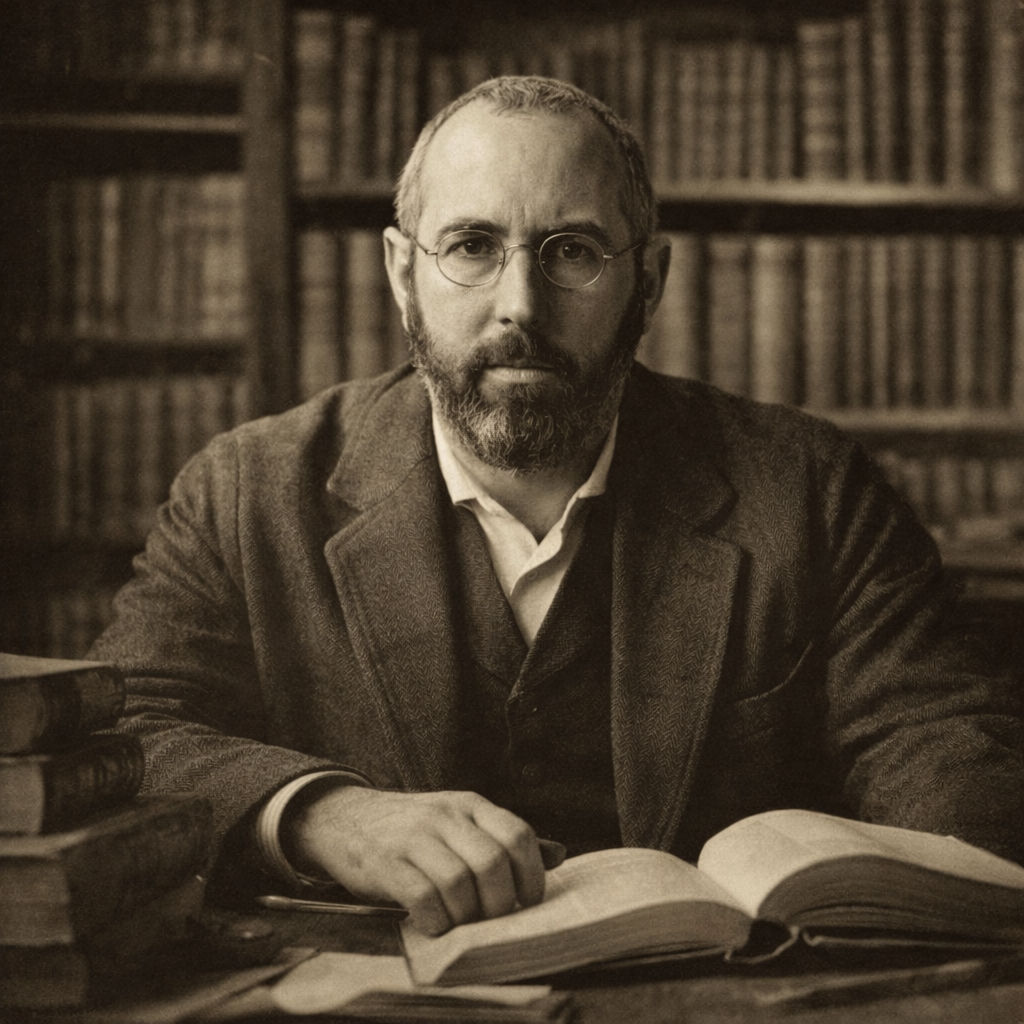
The Boston Horoscope is the work of Dr. Elliot Voss, an internationally renowned astrologer/astrologist who has been studying the heavens for over forty years.
© Copyright 2025, All Rights Reserved, Elliot Voss | terms & privacy