
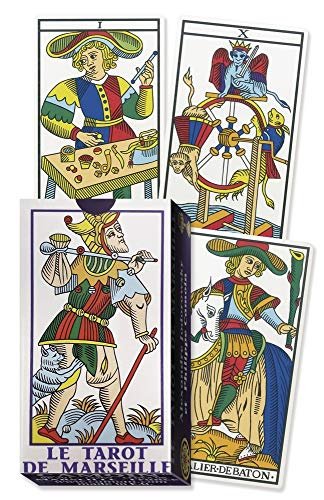
 Shuffling a tarot deck is far more than a simple mechanical act; it is the moment when intention, intuition, and symbolism begin to merge. Before any cards are drawn,
the way you handle the deck sets the tone for the entire reading. The process helps you ground yourself, focus your thoughts, and create a bridge between the external
question and your internal awareness. Even people who read intuitively, without formal ritual, often find that the shuffle is the stage where the mind begins to quiet,
the body relaxes, and the energy of the moment becomes aligned with the purpose of the reading.
Shuffling a tarot deck is far more than a simple mechanical act; it is the moment when intention, intuition, and symbolism begin to merge. Before any cards are drawn,
the way you handle the deck sets the tone for the entire reading. The process helps you ground yourself, focus your thoughts, and create a bridge between the external
question and your internal awareness. Even people who read intuitively, without formal ritual, often find that the shuffle is the stage where the mind begins to quiet,
the body relaxes, and the energy of the moment becomes aligned with the purpose of the reading.
Begin by holding the deck in a way that feels natural. Some tarot readers like the traditional riffle shuffle, bending the cards slightly as they cascade back together, whilst others prefer gentler methods such as overhand shuffling or letting the cards glide between the fingers. It does not matter which technique you choose; what matters is that the movement feels comfortable and rhythmic. The contact between your hands and the cards is important because it introduces your energy, your focus, and your intention into the deck. Tarot is at its strongest when there is a connection between reader, cards, and question, and shuffling serves as the first step in creating that connection.
As you shuffle, focus on the purpose of the reading. Some readers choose to think of the question directly, repeating it in their mind as the cards move. Others prefer to concentrate on the theme or the emotional context rather than a specific wording. This is particularly helpful when the question is unclear or when the reading is more open-ended. What matters is that you allow your attention to settle. Wandering thoughts are natural, but gently guide yourself back to the energy of the reading each time your mind drifts. The shuffle isn't about forcing clarity; it’s about allowing clarity to emerge.
Many tarot practitioners treat the shuffle as a meditative moment. The repeated movements of the hands create a calming rhythm that can shift your mental state. Breathing naturally and taking your time can help you become more receptive to subtle impressions that arise. Some readers notice sensations such as warmth, a pull toward stopping, or a heightened awareness of certain cards. Others simply find that the shuffle gives them a moment to gather themselves before the reading begins. There is no right or wrong sensory experience; the shuffle meets you where you are.
Another important aspect of shuffling is knowing when to stop. This intuitive moment varies greatly from person to person. Some readers stop when the deck “feels ready,” whilst others stop after a specific number of shuffles or when the question feels settled in their mind. If you’re practicing, you may find it useful to experiment with both intuitive and structured stopping points to see which yields readings that feel more aligned. Over time, most readers develop a sense of when the shuffle has served its purpose,an inner nudge that the cards are prepared and the reading can begin.
Once the deck feels ready, many practitioners cut the deck. Again, there are several ways to do this, and none of them are required. You might split the deck into three piles and recombine them or simply lift a portion of the cards and place them at the bottom. Cutting can symbolically “lock in” the energy of the shuffle, sealing the intention before the cards are drawn. Some readers prefer not to cut at all, feeling that the shuffle alone is sufficient. Both approaches are valid; the key is consistency and comfort with your method. At some point as you split the deck, possibly into three, you will want to reverse one of the thirds so that some of the cards are positioned upside-down. This allows for the meaning of some of the cards to be changed e.g., when “The Fool” appears reversed (upside down), its meaning shifts dramatically from the upright version’s energy of new beginnings, spontaneity, and faith. A reversed Fool doesn’t eliminate these themes but instead it redirects them. Instead of open-hearted adventure, it often speaks to hesitation, missteps, impulsiveness, or the consequences of ignoring inner guidance. Here's how readers generally interpret the reversed Fool
If you’re reading for someone else, the shuffle becomes even more meaningful. Some readers hand the deck to the querent and invite them to introduce their own energy before returning it. Others prefer to keep the cards in their own hands, guiding the reading whilst inviting the querent to focus silently. Whichever approach you choose, shuffling offers a moment of shared intention; a brief pause in which both reader and querent align with the purpose of the reading.
Ultimately, shuffling is the first conversation you have with your tarot deck. It opens the door to intuition, steadies the mind, and lays the foundation for meaningful insight. When approached thoughtfully, it transforms a simple action into an essential part of the tarot experience.

The Boston Horoscope is the work of Dr. Elliot Voss, an internationally renowned astrologer/astrologist who has been studying the heavens for over forty years.
© Copyright 2025, All Rights Reserved, Elliot Voss | terms & privacy