
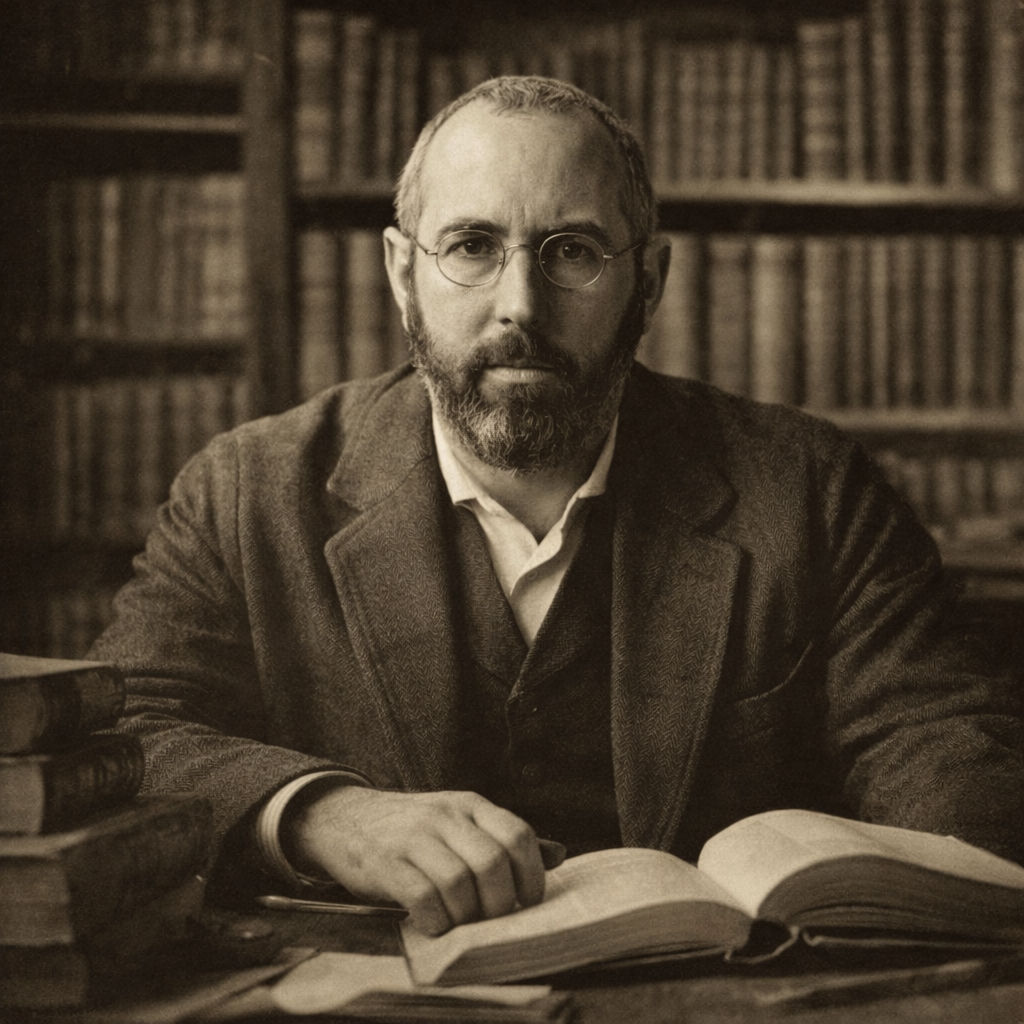
 Carl Jung remains one of the most influential figures linking psychology and astrology, and his contributions continue to shape how horoscopes are written, interpreted, and understood today.
Whilst Jung was not an astrologer in the traditional sense, he viewed astrology as a symbolic language deeply connected to the structure of the psyche. For Jung, horoscopes were not predictors
of fate but reflections of inner patterns representing psychological landscapes expressed through cosmic metaphor. His work provided astrology with a new intellectual foundation, one which
was rooted in archetypes, synchronicity, and the idea that the human mind and the universe mirror one another in meaningful ways.
Carl Jung remains one of the most influential figures linking psychology and astrology, and his contributions continue to shape how horoscopes are written, interpreted, and understood today.
Whilst Jung was not an astrologer in the traditional sense, he viewed astrology as a symbolic language deeply connected to the structure of the psyche. For Jung, horoscopes were not predictors
of fate but reflections of inner patterns representing psychological landscapes expressed through cosmic metaphor. His work provided astrology with a new intellectual foundation, one which
was rooted in archetypes, synchronicity, and the idea that the human mind and the universe mirror one another in meaningful ways.
Jung recognized that astrology had endured across cultures because it captured something intuitive and universal: the sense that humans are woven into a larger cosmic order. He argued that symbolic systems like astrology work because they resonate with the collective unconscious, the shared reservoir of myths, images, and archetypes that shape human experience. In his/this view, the zodiac signs are not literal celestial personalities but rather archetypal patterns of behavior representing timeless psychological energies that everyone expresses in different degrees/proportions e.g., Aries becomes/represents the Warrior archetype, Cancer the Nurturer, Virgo the Analyst, Scorpio the Transformer etc. When astrologers interpret horoscopes, from Jung’s perspective, they are essentially translating these archetypal themes into narrative form, giving people a symbolic framework through which to understand themselves, their thoughts and their lives.
Perhaps Jung’s most significant contribution to astrology is his concept of synchronicity; the idea that meaningful coincidences arise from underlying patterns rather than cause-and-effect relationships. Astrology, as Jung believed, operates through synchronicity: the positions of the planets at a given moment do not directly cause personality traits or events, but they correlate with psychological states because both are expressions of the same underlying order. A birth chart, therefore, is not a map of destiny but a symbolic snapshot of the psyche at the moment of birth. Jung famously used astrology in his therapeutic practice, studying the charts of patients to identify symbolic themes or conflicts that might illuminate their inner struggles. He found the correspondences between a person’s horoscope and their psychological patterns too consistent to dismiss as being merely coincidental.
Horoscopes, in this Jungian light, become mirrors rather than prescriptions. Instead of forecasting literal outcomes, they reveal symbolic journeys and stories about potential, inner tensions, development, and growth. This perspective aligns closely with modern psychological astrology, which reframes the zodiac as a framework for self-awareness rather than fortune-telling. A horoscope becomes a narrative tool that helps individuals explore motivations, fears, desires, and opportunities through symbolic language. By reading a horoscope, a person is not discovering what will happen to them but engaging with archetypal material that resonates with their inner world.
Jung also explored the astrological idea of cycles, such as Saturn returns and Jupiter cycles, and noted parallels with psychological development. Saturn’s roughly 29-year orbit, which astrologers connect to responsibility, maturation, and restructuring, aligns closely with major turning points in adult development. Jung saw these cycles as symbolic expressions of psychological stages, offering people a way to understand life transitions not as random events but as meaningful phases of growth.
Another key area where Jung’s influence is visible is in the rising popularity of “shadow work”, a concept now often woven into zodiac interpretations. Jung argued that each person carries a “shadow” i.e., traits, desires, or fears they repress or refuse to acknowledge, both to themselves and others. Astrological signs, houses, and planetary aspects provide symbolic templates for understanding this shadow material. A Scorpio Moon might symbolize suppressed intensity or emotional depth; a Saturn Sun may reflect internalized authority, fear, or pressure; a Venus-Pluto aspect might point toward complex attachment patterns. These interpretations are rooted not in prediction but in psychological integration; a Jungian principle at the core of much modern astrology.
For Jung, the value of astrology lay not in foretelling events but in its symbolic richness and its ability to give shape to the inner life. Today’s horoscopes, which increasingly focus on emotional insight, personal growth, and self-understanding rather than rigid predictions, owe much to Jung’s perspective. His work elevated astrology from superstition to symbolic psychology, giving it renewed credibility and a place in contemporary discussions about meaning and identity.
Ultimately, Carl Jung helped reframe horoscopes as tools for reflection rather than fate. In doing so, he bridged the worlds of myth, psychology, and cosmology, showing that astrology’s power lies not in its literal accuracy, but in its ability to speak directly to the human soul.

The Boston Horoscope is the work of Dr. Elliot Voss, an internationally renowned astrologer/astrologist who has been studying the heavens for over forty years.
© Copyright 2025, All Rights Reserved, Elliot Voss | terms & privacy