
 There is a particular quality of attention that comes with a new moon. The sky is dark, properly dark, the moon having withdrawn its light entirely, and if you are in a place where you can see the stars, Boston
included on a clear August night, the darkness itself feels like a kind of opening. Something has been cleared away. The most familiar light in the night sky is gone, and in its absence there is a spaciousness that
the full moon, for all its drama, does not provide. The full moon announces. The new moon invites.
There is a particular quality of attention that comes with a new moon. The sky is dark, properly dark, the moon having withdrawn its light entirely, and if you are in a place where you can see the stars, Boston
included on a clear August night, the darkness itself feels like a kind of opening. Something has been cleared away. The most familiar light in the night sky is gone, and in its absence there is a spaciousness that
the full moon, for all its drama, does not provide. The full moon announces. The new moon invites.
The August new moon arrives on Wednesday, August 12th, at approximately 1:37 in the afternoon Boston time, in the sign of Leo. You will not be able to see it, you never can see the new moon, which is the point. It is the moment of the lunar cycle when the moon passes between the earth and the sun, presenting its dark face to us entirely. In astrological tradition this is understood as a moment of pure potential: the slate is not wiped clean so much as it is simply blank, ready to receive what is next. In the hours and days that follow, the crescent will appear in the western sky just after sunset, thin as a fingernail paring, and the cycle of growth and culmination will have begun again.
What is it about this rhythm that speaks so reliably to something in us? The honest answer involves psychology as much as it involves the sky. Human beings are, at a level deeper than conscious belief, creatures of cycle and threshold. We are not good at sustained linear effort, the kind that says: begin once and continue indefinitely without natural pause or renewal. What we are good at is beginning again. The capacity for the fresh start is one of the most resilient and most distinctively human psychological capacities available to us, and we reach for it constantly, often without realising we are doing so. New years, new months, new weeks, new mornings. The alarm goes off and before the day's first cup of coffee has been poured, the mind is already oriented toward what today might begin rather than what yesterday failed to complete. We are structured for recommencement.
The new moon gives this recommencement a particular quality, one that is different from the New Year's resolution or the Monday morning fresh start, because it arrives not from the calendar but from the sky. There is something about a celestial event that carries a different kind of authority than a human-made one. The calendar is our invention; we can negotiate with it, ignore it, move the resolution to next Monday when Monday arrives and we are not yet ready for it. The moon does not negotiate. It will be new on August 12th in Boston whether or not you are ready, whether or not the timing is convenient, whether or not you remembered it was coming. There is a quality of non-negotiable invitation in the lunar cycle that the human-made calendar does not provide, and it is this quality that gives the new moon its particular psychological usefulness.
The psychologist's term for what the new moon supports is "implementation intention". The research-backed finding that a specific plan tied to a specific time and context is dramatically more likely to be acted upon than a vague intention floating free of any anchor. "I will begin meditating" is far less effective than "I will meditate for ten minutes at eight o'clock in the morning in the kitchen before I check my phone." The new moon functions as a natural implementation anchor, a recurring, reliable, non-negotiable moment to which intentions can be attached. Not because the moon causes anything in a direct physical sense, but because the ritual of noticing the new moon, of pausing on the day it arrives, of asking what you want to begin in the cycle ahead, is itself a psychological practice of genuine value. The moon is the excuse. The pause is the point.
This August new moon in Leo carries a particular quality worth noting. Leo is the sign of the Sun, the most radiant, the most creatively expressive, the most warmly generous of the zodiacal energies, and a new moon in Leo is a new moon in which the creative and the personally expressive dimension of life is most naturally available to receive new intentions. Jupiter has been in Leo throughout this summer, and the month has already carried an extraordinary creative warmth: the Sun and Jupiter conjuncted on July 30th in what astrologers call a cazimi, the most luminous and the most abundantly generous solar moment of the year. The August 12th new moon is the next chapter of that creative abundance, the moment to plant the seed of what you most genuinely want to grow in the Leo dimension of your own life.
Boston in mid-August is still warm. The days are shortening, almost imperceptibly but measurably, the light that was available at eight in the evening in late June is gone by seven-thirty now, the summer, already quietly turning toward autumn. On the evening of August 12th, look west after the sun has set. You will not see the moon, it is new, invisible, below the horizon with the sun. But you will know it is there, beginning again, as it has always begun again. And in that knowing there is an invitation: to name one thing you want to grow in the cycle ahead. One creative intention. One honest ambition. One seed worth planting in the most warmly Leo-generous new moon of Leo season.
The fresh start is always available, because the moon is always beginning again. That is perhaps the deepest psychological gift the lunar cycle offers: not a single chance that can be missed, but an endlessly renewing invitation. August 12th is the next one. Boston's afternoon sky will hold it invisibly, and by evening the first thin crescent will be preparing to appear. Be ready to receive it.

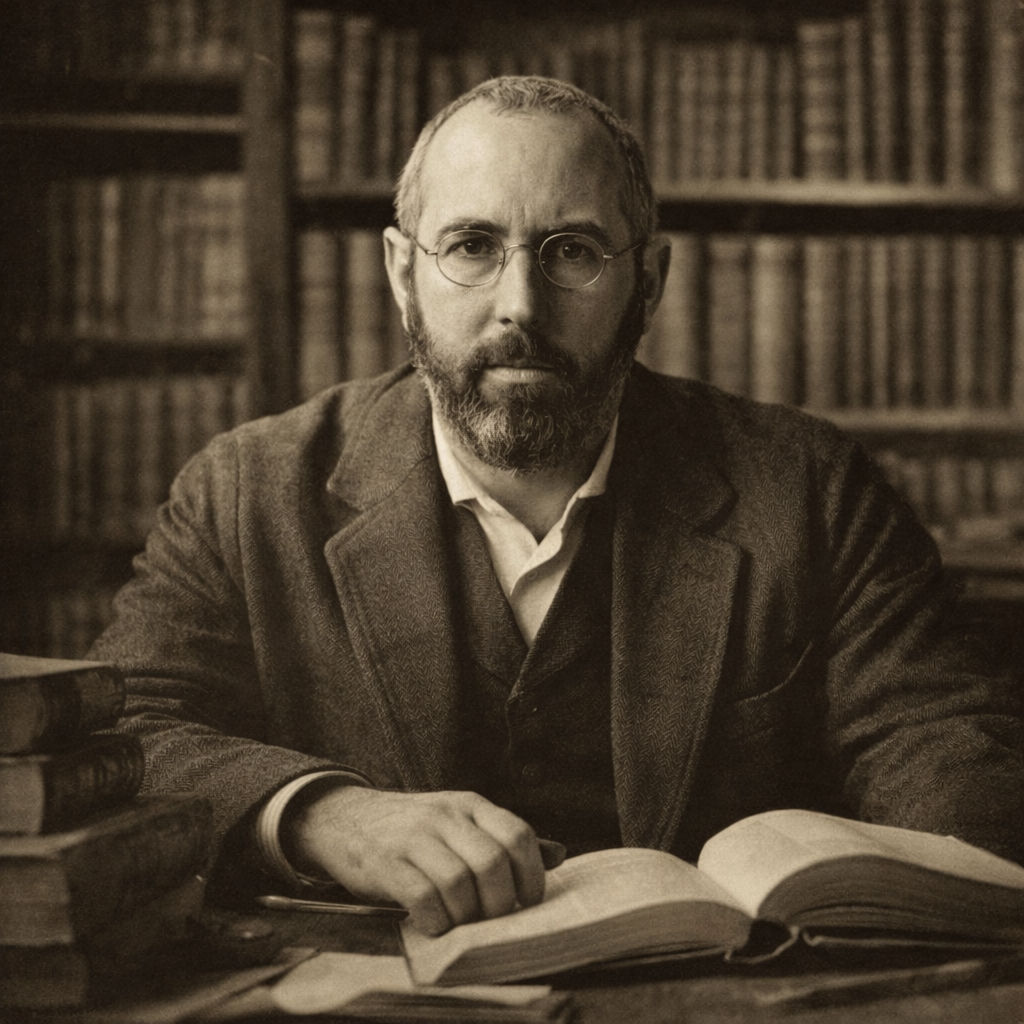
The Boston Horoscope is the work of Dr. Elliot Voss, an internationally renowned astrologer/astrologist who has been studying the heavens for over forty years.
© Copyright 2025, All Rights Reserved, Elliot Voss | terms & privacy