
 For thousands of years, gemstones have been associated with spiritual meaning, protection, and the unique qualities of individuals. In astrology,
each zodiac sign is linked to particular stones believed to amplify strengths, soften challenges, and bring balance. This tradition did not emerge
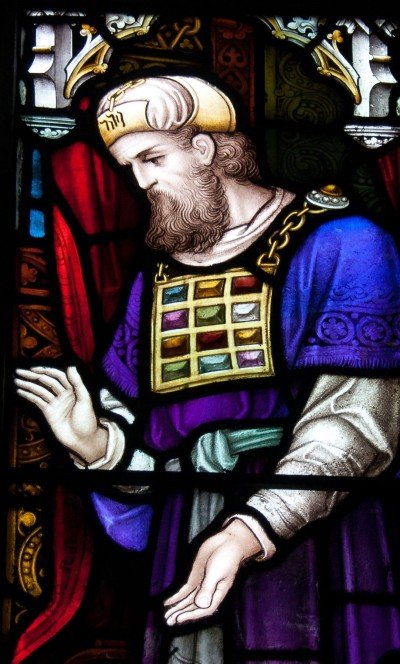
in isolation, its roots reach deep into ancient symbolism, sacred texts, and especially the biblical description of Aaron’s breastplate, a ceremonial
garment worn by the High Priest of Israel. The breastplate contained twelve gemstones, each representing one of the twelve tribes of Israel, and
these stones became the early foundation for the concept of birthstones and later their connection to the zodiac.
For thousands of years, gemstones have been associated with spiritual meaning, protection, and the unique qualities of individuals. In astrology,
each zodiac sign is linked to particular stones believed to amplify strengths, soften challenges, and bring balance. This tradition did not emerge
in isolation, its roots reach deep into ancient symbolism, sacred texts, and especially the biblical description of Aaron’s breastplate, a ceremonial
garment worn by the High Priest of Israel. The breastplate contained twelve gemstones, each representing one of the twelve tribes of Israel, and
these stones became the early foundation for the concept of birthstones and later their connection to the zodiac.
In the Book of Exodus, Aaron’s breastplate, also called the Breastplate of Judgment, is described as being set with twelve precious stones arranged in four rows of three. Each stone symbolized a tribe: Reuben, Simeon, Levi, Judah, Dan, Naphtali, Gad, Asher, Issachar, Zebulun, Joseph, and Benjamin. While translations differ on the exact identity of some stones, the list included gems such as jasper, emerald, sapphire, diamond, topaz, amethyst, beryl, and others. These stones served both symbolic and spiritual functions, believed to carry divine energy, offer protection, and connect the High Priest to the heavenly realm. they are also play a significant part in the Kabbalah.
As astrological systems developed in the ancient Near East, Babylon, and Hellenistic Egypt, practitioners began linking the twelve stones of the breastplate with the twelve months and eventually the twelve zodiac signs. While the biblical system was tribal and religious, and the zodiac system was cosmic and symbolic, the overlap was natural: both recognized the significance of a twelve-part cycle shaping the human experience. Over time, scholars, mystics, and jewelers aligned each gemstone with a zodiac sign based on color, symbolism, mythology, and perceived energetic qualities.
For example, Aries, a sign associated with courage and forward momentum, often aligns with bloodstone or carnelian, stones believed to enhance strength and confidence. Taurus, ruled by Venus, resonates with emerald, a gemstone long associated with beauty, abundance, and stability mirroring Taurus’s earthy sensuality. Gemini, connected to communication and adaptability, corresponds with agate, a stone believed to harmonize duality and support mental clarity and this tradition continues across the zodiac e.g., Cancer with moonstone for intuition, Leo with peridot or ruby for vitality and charisma, Virgo with sapphire for wisdom and clarity, Libra with opal for harmony, and Scorpio with topaz for depth and transformation etc.
These gemstone-to-sign connections reflect an ancient belief that stones hold vibrational qualities capable of supporting the traits of those born under specific cosmic influences. Even though the zodiac as we use it today is a blend of Babylonian astronomy, Greek mythology, and medieval interpretation, its gemstone associations trace back to the sacred symbolism of Aaron’s breastplate.
In both systems, the stones serve as bridges between earthly identity and spiritual meaning, between personal qualities and divine order. The High Priest’s gemstones were chosen to represent tribes and their destinies, while modern birthstones and zodiac stones symbolize individual strengths, struggles, and paths of growth. Both use the beauty and power of gemstones as a way to express deeper truths about human nature and the forces that shape it.
Today, people wear zodiac gemstones not just for tradition, but for personal significance. Whether for spiritual grounding, emotional alignment, or simply the beauty of the stones, this ancient practice continues to remind us of how intertwined symbolism, faith, and the natural world have always been, connecting the stars above with the minerals of the earth, and linking ancient scripture with modern astrology in a continuous thread of meaning.

The Boston Horoscope is the work of Dr. Elliot Voss, an internationally renowned astrologer/astrologist who has been studying the heavens for over forty years.
© Copyright 2025, All Rights Reserved, Elliot Voss | terms & privacy