
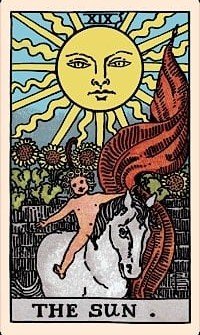
 Tarot cards offer a rich symbolic language through which people explore insight, intuition, and personal growth. While often approached as a divination tool, Tarot is
equally a framework for storytelling, reflection, and understanding the energies that shape our lives. Its imagery connects deeply with astrology,
the elements, and archetypes that appear across cultures, making it both timeless and
adaptable. To understand Tarot fully, it helps to begin with the structure of the deck and how its themes mirror the wider metaphysical world.
Tarot cards offer a rich symbolic language through which people explore insight, intuition, and personal growth. While often approached as a divination tool, Tarot is
equally a framework for storytelling, reflection, and understanding the energies that shape our lives. Its imagery connects deeply with astrology,
the elements, and archetypes that appear across cultures, making it both timeless and
adaptable. To understand Tarot fully, it helps to begin with the structure of the deck and how its themes mirror the wider metaphysical world.
A traditional Tarot deck contains 78 cards, divided into two main sections: the Major Arcana and the Minor Arcana (organized into four suits). For a description/explanation of each card in the suits, click on the links below:
The 22 cards of the Major Arcana represent life’s significant lessons, spiritual milestones, and the archetypal forces that influence inner transformation. These include iconic figures such as The Fool, The Magician, The Lovers, Strength, and The World. Together, they illustrate “the Fool’s Journey” which is a symbolic path of growth, challenge, awakening, and understanding. Each card reflects a stage of development, much like the phases individuals pass through emotionally, spiritually, and psychologically.
The 56 cards of the Minor Arcana focus on everyday experiences and are divided into four suits: Wands, Cups, Swords, and Pentacles. Each suit corresponds to one of the four classical elements, linking Tarot directly to astrology and broader metaphysical systems. Wands represent Fire (passion, ambition, creativity). Cups express Water e.g., emotions, intuition, and relationships etc. Whilst Swords correspond to Air, concerned with intellect, communication, conflict, and clarity. The last suit, Pentacles represents Earth e.g., stability, work, health, finances, and the physical world. These elements echo the same energies found in astrological signs, creating a natural bridge between Tarot and the zodiac.
 For example, Fire Signs such as Aries, Leo, and Sagittarius may resonate strongly with the bold, creative energy of the Wands. Whilst Water signs like Cancer, Scorpio,
and Pisces often find reflection in the emotional landscape of the Cups. Air signs (Gemini, Libra, Aquarius) share the Suit of Swords’ themes of thoughts, ideas, and communication. The Earth Signs (Taurus, Virgo, Capricorn) connect to the grounded stability of Pentacles. This correspondence allows Tarot and astrology to complement each other, offering layered insight when used together in readings or horoscopes.
For example, Fire Signs such as Aries, Leo, and Sagittarius may resonate strongly with the bold, creative energy of the Wands. Whilst Water signs like Cancer, Scorpio,
and Pisces often find reflection in the emotional landscape of the Cups. Air signs (Gemini, Libra, Aquarius) share the Suit of Swords’ themes of thoughts, ideas, and communication. The Earth Signs (Taurus, Virgo, Capricorn) connect to the grounded stability of Pentacles. This correspondence allows Tarot and astrology to complement each other, offering layered insight when used together in readings or horoscopes.
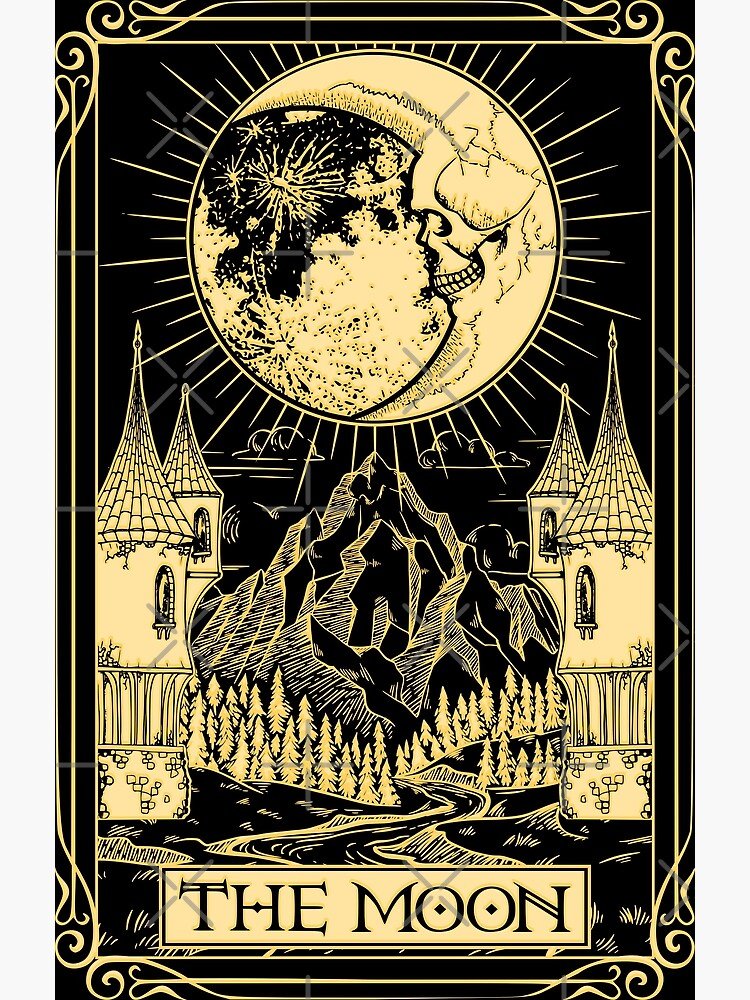
Tarot also interacts with astrology through the planetary and zodiac associations attributed to individual Major Arcana cards. For instance, The Chariot is linked to Cancer, Strength to Leo, and The Star to Aquarius. Likewise, cards such as The Sun, The Moon, and The Tower resonate with celestial energies that mirror the same symbolism used in astrological interpretation. This crossover enriches readings: a card influenced by Mars, for example, may highlight assertiveness, conflict, or motivation, just as Mars does in a birth chart or daily horoscope.
The arrangement of the deck is intentional. The Minor Arcana follows a progression from Ace to Ten in each suit, showing the unfolding of an elemental storyline from potential (Ace) to completion (Ten). The Court Cards (Page, Knight, Queen, King) represent personality types, approaches, or stages of development within each element. They can reflect people in your life, parts of yourself, or the energy you are being asked to embody.
A key concept in Tarot reading is the meaning of reversed cards. When a card appears upside-down, it indicates a shift or variation from its upright interpretation. A reversed card isn’t simply “negative” as it can represent blocked energy, delays, introspection, or a lesson turning inward rather than outward. For example, an upright Cups card may show emotional openness, while the reversed version might reflect hesitation, self-protection, or unexpressed feelings. Reversals add nuance and depth, reminding readers of the Tarot that every energy has multiple expressions and that context matters.
Tarot’s link to horoscopes becomes especially clear when looking at the way cards embody seasonal, planetary, and elemental rhythms. Just as astrology maps energy across time using lunar cycles, retrogrades, and transits etc., the Tarot reflects the internal experience of those transitions. A horoscope might describe the influence of Venus on relationships; a Tarot reading may reveal how that influence is being internalized emotionally or acted upon practically. Used together, the two systems offer both a cosmic overview and a personal, symbolic lens through which to understand it.
Ultimately, Tarot is a tool for reflection and empowerment. Its structure mirrors the world’s elements, cycles, personalities, and transformative moments. Its images evoke emotional and intuitive understanding. And its connection to astrology allows readers to blend cosmic insight with personal symbolism. Whether exploring daily guidance, deeper self-awareness, or the unfolding themes of a horoscope, Tarot provides a rich, interconnected language through which we can interpret the world and our place within it.
To learn how to do your own Tarot reading click here.

The Boston Horoscope is the work of Dr. Elliot Voss, an internationally renowned astrologer/astrologist who has been studying the heavens for over forty years.
© Copyright 2025, All Rights Reserved, Elliot Voss | terms & privacy